Types of Planes: A Detailed Guide to Aircraft Categories and Functions
Planes play a crucial role in modern aviation, supporting transportation, business operations, defense, and logistics across the world. Understanding the types of planes helps individuals appreciate how aviation technology has evolved to meet different needs and industries. From commercial passenger aircraft to military jets and private business airplanes, each category is designed with specific functions and performance capabilities. As global travel and air transportation continue to expand, the importance of learning about different types becomes increasingly relevant for aviation enthusiasts, travelers, and professionals.
Types of planes are developed to perform specialized tasks efficiently and safely. For example, some aircraft are optimized for long-distance passenger travel, while others focus on cargo transport, private luxury travel, or military operations. In addition, advancements in aerodynamics, engine technology, and materials have allowed manufacturers to create more efficient and versatile aircraft. Therefore, exploring the planes provides valuable insights into how aviation supports global connectivity and economic growth. The following sections explain the main type of airplanes and their functions in detail.
Commercial Passenger Aircraft - Types of Aeroplanes
Commercial passenger aircraft represent one of the most widely recognized types of aeroplanes used in modern aviation. These aircraft are primarily designed to transport large numbers of passengers across domestic and international routes. Airlines rely heavily on these planes to operate scheduled flights between major cities and countries. As a result, commercial airplanes form the backbone of global air travel.
Types of aeroplanes in the commercial aviation sector vary based on size, range, and passenger capacity. For instance, narrow-body aircraft typically operate short and medium routes, while wide-body airplanes are used for long-haul international flights. These aircraft are equipped with advanced navigation systems, safety features, and passenger amenities to ensure a comfortable travel experience. Consequently, commercial aviation continues to evolve with more fuel-efficient and environmentally friendly designs.
Examples of Commercial Aircraft
Some well-known commercial aircraft include:
- Boeing 737 – One of the most widely used passenger aircraft for short and medium-haul flights.
-
Airbus A320 – Popular among airlines for its efficiency and modern technology.
-
Boeing 777 – Known for long-distance international travel.
These examples demonstrate how different types of areoplanes are designed to meet specific airline operational requirements.
Private Jets and Business Aircraft - Different Kinds of Airplanes
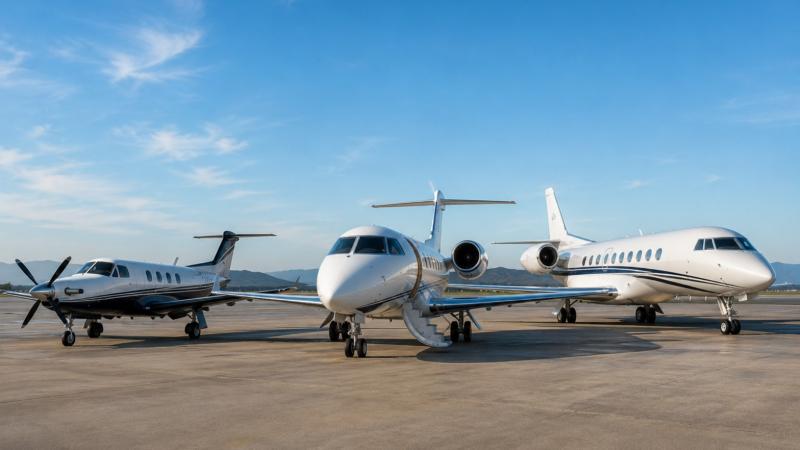
Private jets are specialized different kinds of airplanes designed for luxury travel, business aviation, and executive transportation. Unlike commercial aircraft, private jets typically carry a smaller number of passengers while offering greater privacy, comfort, and scheduling flexibility. Business executives, entrepreneurs, and high-net-worth individuals frequently rely on private aviation to travel efficiently between cities and countries.
Airplanes in private aviation vary according to size, range, and cabin capacity. Some jets are designed for short regional flights, while others are capable of intercontinental travel without refueling. In addition, private jets often feature luxury interiors, advanced entertainment systems, and customized seating arrangements. As a result, business aviation has become an essential part of the global transportation network.
Categories of Private Jets
Private aviation generally includes the following different kinds of airplanes:
-
Light Jets – Ideal for short trips and small groups of passengers.
-
Midsize Jets – Offer greater range and more cabin space.
-
Heavy Jets – Designed for long-distance international travel.
Examples include aircraft such as the Gulfstream G650 and the Bombardier Global 7500, which are among the most advanced private jets in the world.
Cargo Aircraft
Cargo aircraft represent important types of planes used to transport goods and freight across international markets. These airplanes are specifically designed to carry large volumes of cargo rather than passengers. Logistics companies, e-commerce businesses, and shipping providers rely on cargo planes to deliver products quickly across continents. Therefore, cargo aviation plays a critical role in global trade and supply chains.
Planes in the cargo sector feature large storage compartments and reinforced structures. These aircraft often include wide doors, powerful loading systems, and optimized cargo holds for efficient freight handling. Additionally, some cargo planes are converted from passenger aircraft, while others are built exclusively for cargo transportation. As a result, cargo aviation remains essential for supporting international commerce.
One notable example of a cargo aircraft is the Boeing 747 Freighter, which is widely used for transporting large shipments worldwide.
Military Aircraft
Military aircraft are specialized types that are designed for defense, surveillance, and combat operations. Governments and armed forces operate these aircraft to maintain national security and respond to various military missions. Military aviation includes fighter jets, transport aircraft, reconnaissance planes, and strategic bombers. Each type of aircraft is engineered to perform specific operational roles.
Planes used by the military often incorporate advanced technologies and powerful engines. These aircraft may include stealth capabilities, high-speed performance, and sophisticated weapon systems. Furthermore, military planes are designed to operate under extreme conditions and demanding environments. As a result, military aviation continues to push technological innovation within the aerospace industry.
One well-known example is the Lockheed Martin F-35 Lightning II, which represents one of the most advanced fighter jets currently in operation.
Regional Aircraft
Regional aircraft are important types of planes that connect smaller cities and regional airports. These airplanes are typically used for shorter routes where large commercial aircraft may not be economically efficient. Regional airlines operate these aircraft to provide convenient connections between local destinations and major transportation hubs. Consequently, regional aviation helps expand accessibility within national and international networks.
Types of planes in the regional category usually carry between 30 and 100 passengers. They are designed to operate efficiently on shorter runways and smaller airports. Additionally, regional aircraft often feature lower operating costs and improved fuel efficiency compared to larger jets. This makes them an important component of modern airline operations.
One popular example is the Embraer E175, which is widely used by regional airlines around the world.
Turboprop Aircraft - Other Kinds of Airplanes
Turboprop aircraft represent other kinds of airplanes used in aviation. These aircraft use propeller-driven turbine engines instead of traditional jet engines. As a result, turboprop airplanes are particularly efficient for short-distance routes and regional travel. Many airlines and charter operators rely on turboprops for routes that require shorter takeoff distances.
Kinds of planes powered by turboprop engines offer strong performance in challenging environments. For example, they can operate efficiently from smaller airports and remote locations where larger jets may not be practical. Additionally, turboprops consume less fuel at lower speeds, making them cost-effective for regional transportation. Consequently, turboprop aircraft continue to play a significant role in aviation.
A well-known example is the ATR 72, which is widely used for regional airline operations.
How to Choose the Different Types of Planes
Choosing the different types of planes depends on several important factors, including travel purpose, passenger capacity, flight distance, and budget. Different aircraft are designed to meet specific operational needs, which means selecting the appropriate plane requires careful evaluation. For example, airlines, businesses, and private travelers may prioritize different features such as speed, range, comfort, or operating costs. Therefore, understanding the main characteristics of various different types of planes helps individuals and companies make more informed decisions.
Several key factors should be considered when selecting the most suitable aircraft for a particular purpose. These considerations typically include the number of passengers, the distance of the flight, and the level of comfort required during travel. For instance, light jets or turboprop aircraft are often ideal for short regional flights, while large commercial airplanes are better suited for long-haul international routes. In addition, private travelers may prefer business jets that offer luxury interiors, privacy, and flexible scheduling. As a result, evaluating these elements carefully ensures that the chosen aircraft meets both operational and travel expectations.
Conclusion
Understanding the different types of planes helps individuals recognize how aviation supports global travel, trade, and technological progress. Each category of aircraft is designed with specific purposes in mind, whether it is transporting passengers, delivering cargo, supporting military missions, or enabling private business travel. As aviation technology continues to advance, the design and performance of aircraft are expected to improve even further.
In conclusion, exploring the various types of aeroplanes reveals how diverse and complex the aviation industry truly is. From commercial airliners and private jets to cargo planes and regional aircraft, every type of airplane plays an essential role in modern transportation. By learning about the types of planes, aviation enthusiasts and travelers gain a deeper appreciation for the innovation and engineering that make global air travel possible.