Empire Heigths, Downtown Dubai, UAE

A Regional Conflict with Global Aviation Consequences

The recent escalation involving Iran has rapidly evolved from a geopolitical flashpoint into a global aviation disruption affecting airlines, cargo operators, and private aviation providers worldwide. What initially appeared to be a regional security issue has triggered widespread operational instability, forcing airlines to cancel flights, reroute aircraft, and reassess risk exposure across critical air corridors. According to multiple international reports, including coverage from Reuters and aviation safety authorities, the scale of disruption has been significant enough to impact not only Middle Eastern carriers but also European and Asian networks that rely heavily on the region as a transit hub. As a result, aviation is now facing a multi-layered crisis involving safety concerns, logistical constraints, rising costs, and shifting demand patterns.
Mass Flight Disruptions and Reduced Capacity Across Key Hubs

Mass Flight Disruptions and Reduced Capacity Across Key Hubs

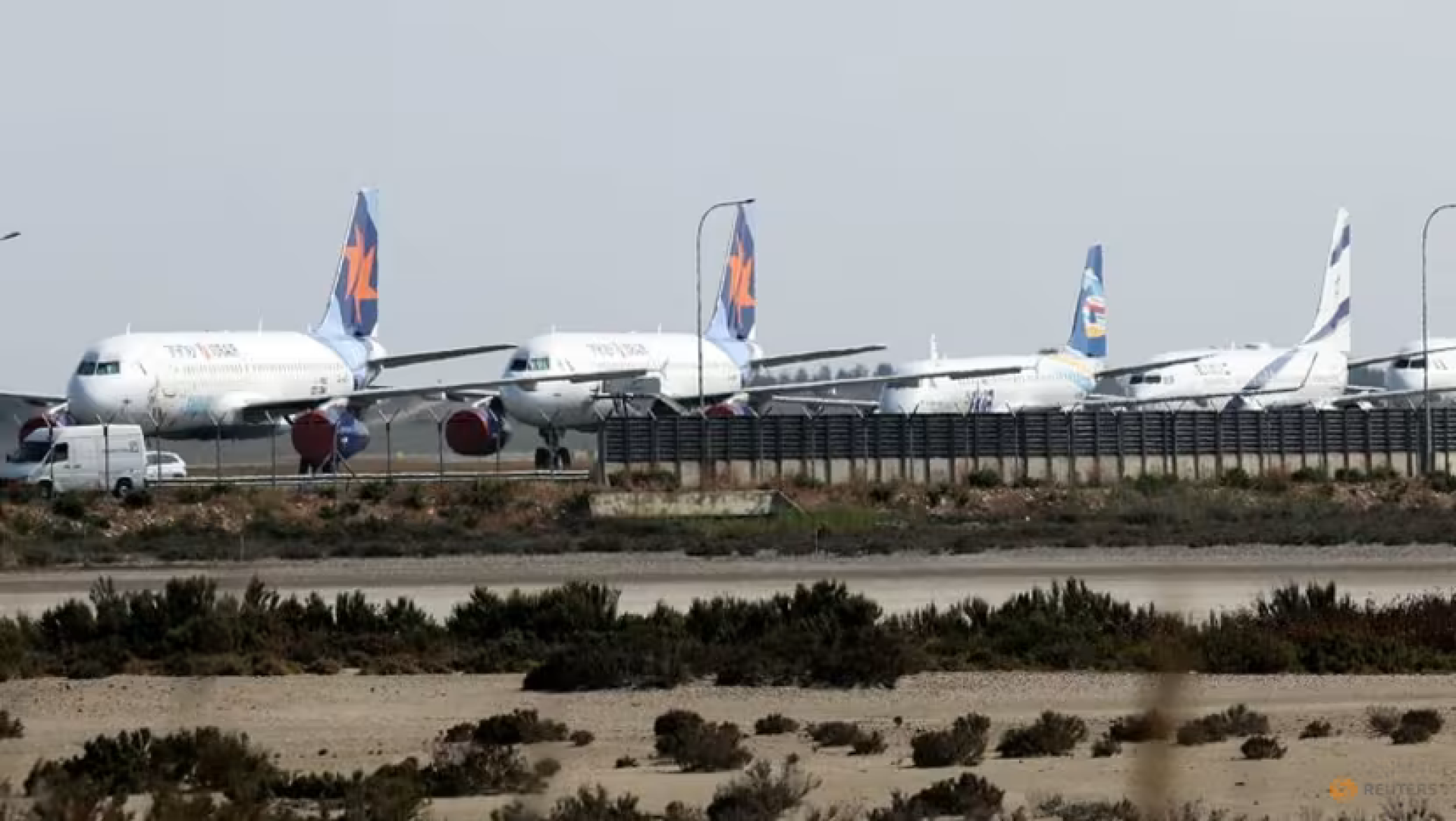
The immediate impact of the conflict has been visible through widespread flight cancellations and reduced airline capacity across major Middle Eastern hubs. Reports indicate that tens of thousands of flights have been affected since the escalation began, with airlines forced to suspend or significantly scale down operations in affected airspace. Major carriers in the Gulf region have only partially restored their schedules, with some operating at a fraction of their normal capacity. This reduction is not simply a temporary inconvenience but a structural disruption to one of the world’s most important aviation corridors. The Middle East serves as a central link between Europe, Asia, and Africa, and any instability in this region creates a ripple effect across global flight networks. As airlines struggle to stabilize operations, passengers are experiencing delays, cancellations, and longer travel times, while carriers face mounting operational pressure.

Airspace Closures Forcing Longer Routes and Higher Costs

Airspace Closures Forcing Longer Routes and Higher Costs

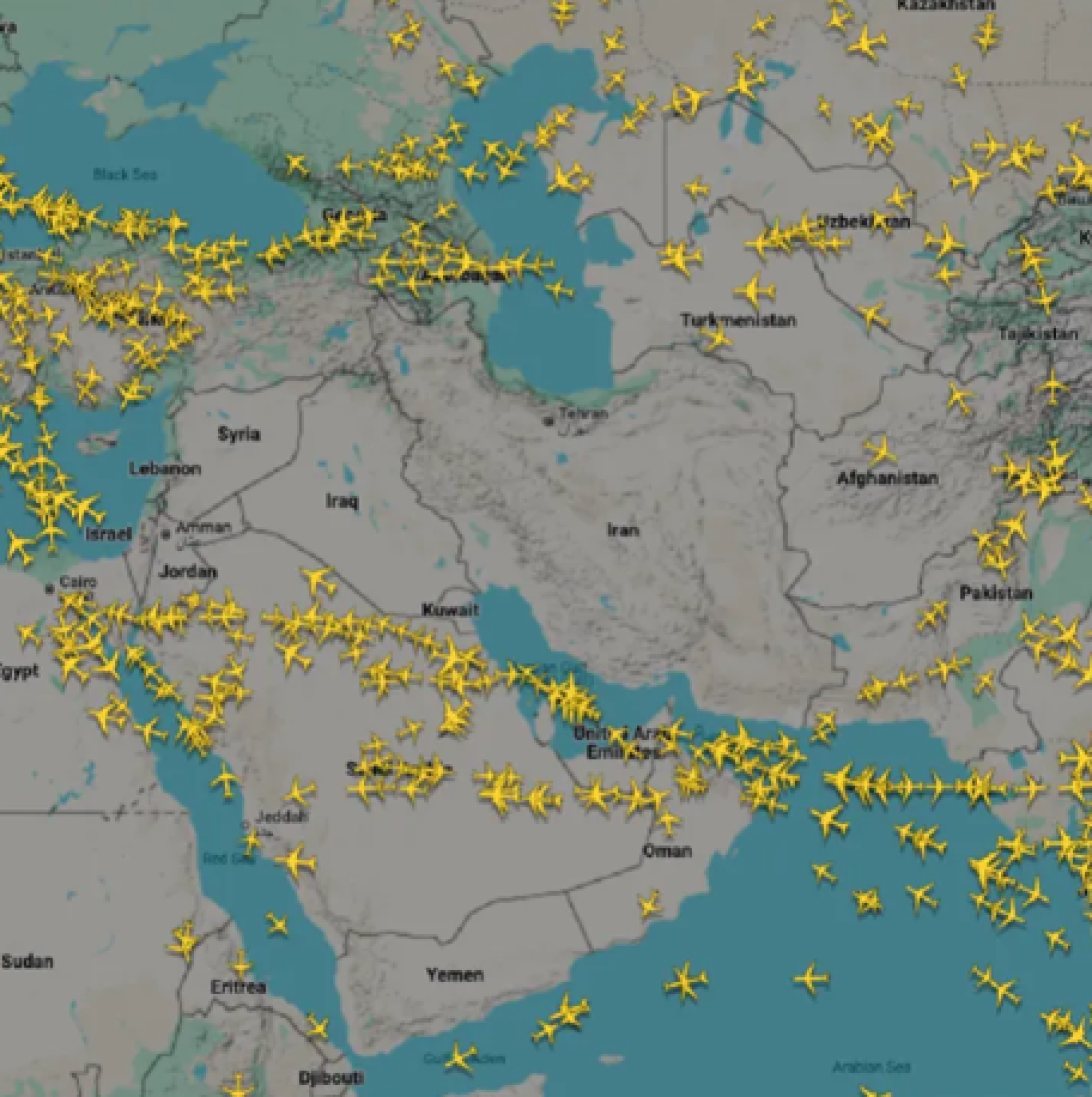
One of the most critical challenges emerging from the situation is the loss of key airspace corridors, particularly over Iran and neighboring regions. Airlines that previously relied on these routes are now forced to take longer alternative paths, often flying significantly north or south to avoid restricted zones. According to aviation safety authorities such as EASA, the risks associated with operating in or near conflict zones have increased substantially, leading airlines to adopt more conservative routing strategies. These detours are not without consequence; longer flight paths directly translate into higher fuel consumption, increased crew requirements, and more complex operational planning. Over time, these factors contribute to higher operating costs, which are ultimately passed on to passengers through increased ticket prices. The combination of safety concerns and operational inefficiency has turned routing decisions into one of the most critical challenges facing airlines today.

Fuel Price Surge Adds Financial Pressure on Airlines

Fuel Price Surge Adds Financial Pressure on Airlines

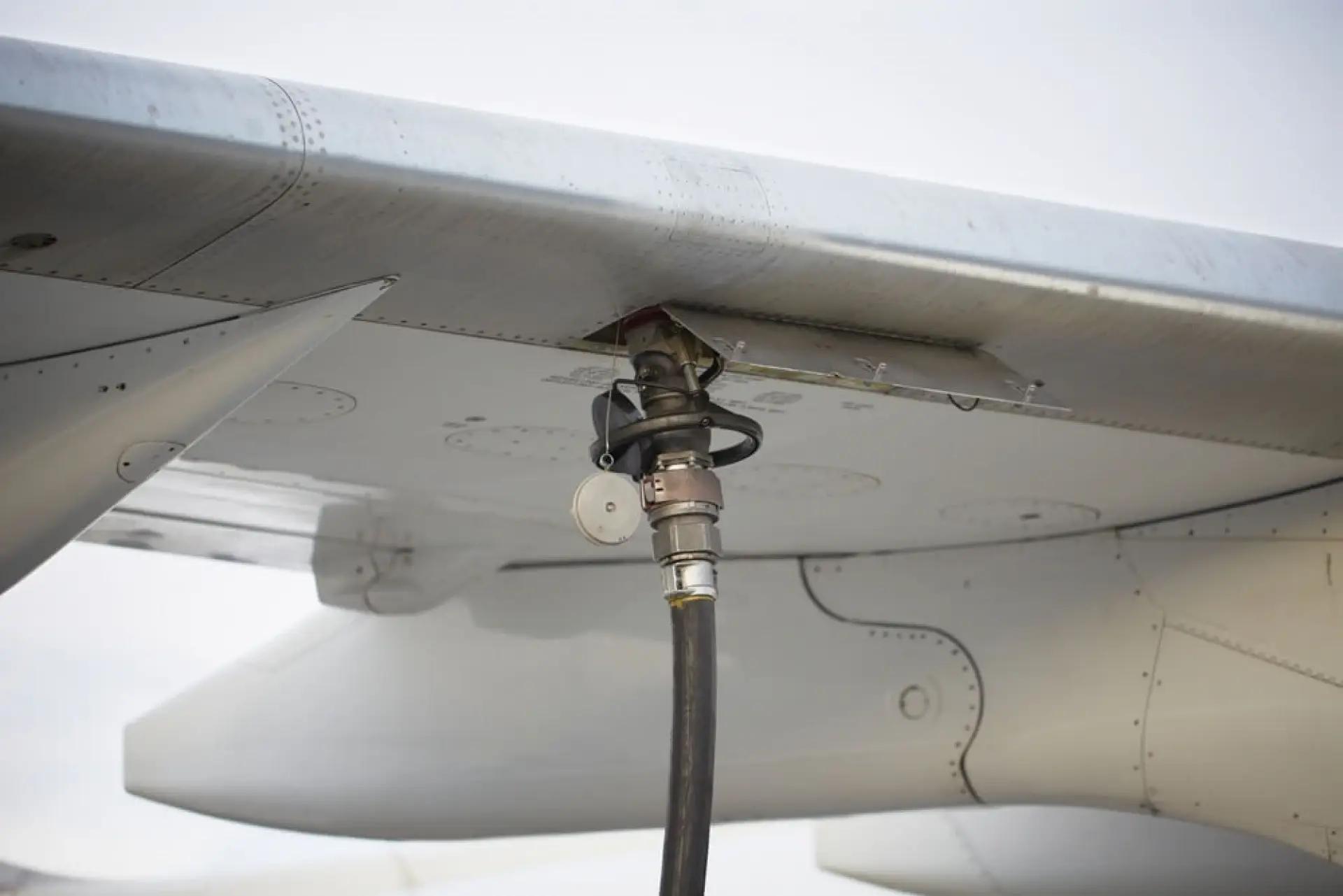
Compounding the operational challenges is a sharp increase in jet fuel prices, which has further intensified the financial strain on the aviation sector. According to recent industry reports, global jet fuel prices have risen significantly, prompting airlines to introduce or increase fuel surcharges. This development is particularly damaging because fuel already represents one of the largest cost components in aviation. When combined with longer flight routes and reduced operational efficiency, the financial impact becomes even more pronounced. Industry bodies such as IATA have warned that sustained fuel price increases, coupled with geopolitical instability, could lead to broader economic consequences for airlines and potentially dampen travel demand. In this environment, airlines are forced to balance cost recovery with maintaining competitiveness, a challenge that becomes increasingly difficult as uncertainty persists.

Private Aviation Demand Rises, But Constraints Remain

Private Aviation Demand Rises, But Constraints Remain

While commercial aviation is facing significant disruption, private aviation has experienced a noticeable increase in demand as travelers seek greater control, flexibility, and security. Business leaders, high-net-worth individuals, and governments have turned to private jet solutions to bypass delays and maintain travel continuity. However, the perception that private aviation operates independently of these disruptions is misleading. Private operators are subject to the same airspace restrictions, safety regulations, and operational risks as commercial airlines. Additionally, increased demand combined with limited availability can lead to higher charter costs and reduced flexibility. As highlighted in multiple reports, private aviation is benefiting from demand shifts, but it is not immune to the broader structural challenges affecting the industry.

Insurance and Risk Markets Tighten Across the Sector

Insurance and Risk Markets Tighten Across the Sector

Another critical dimension of the crisis lies in the insurance market, where war-risk coverage has become increasingly restrictive and expensive. According to international financial and maritime reports, insurers have already begun reassessing risk exposure in the region, with some policies being withdrawn or significantly repriced. Although these developments have been more visible in shipping, similar dynamics apply to aviation, where war-risk insurance is essential for operating in or near conflict zones. As insurers tighten conditions, airlines and operators face higher premiums and stricter coverage limitations, further increasing the cost of operations. This shift highlights the interconnected nature of global risk markets, where geopolitical instability quickly translates into financial and operational constraints for aviation stakeholders.

Cargo Aviation Under Pressure but Showing Resilience

Cargo Aviation Under Pressure but Showing Resilience

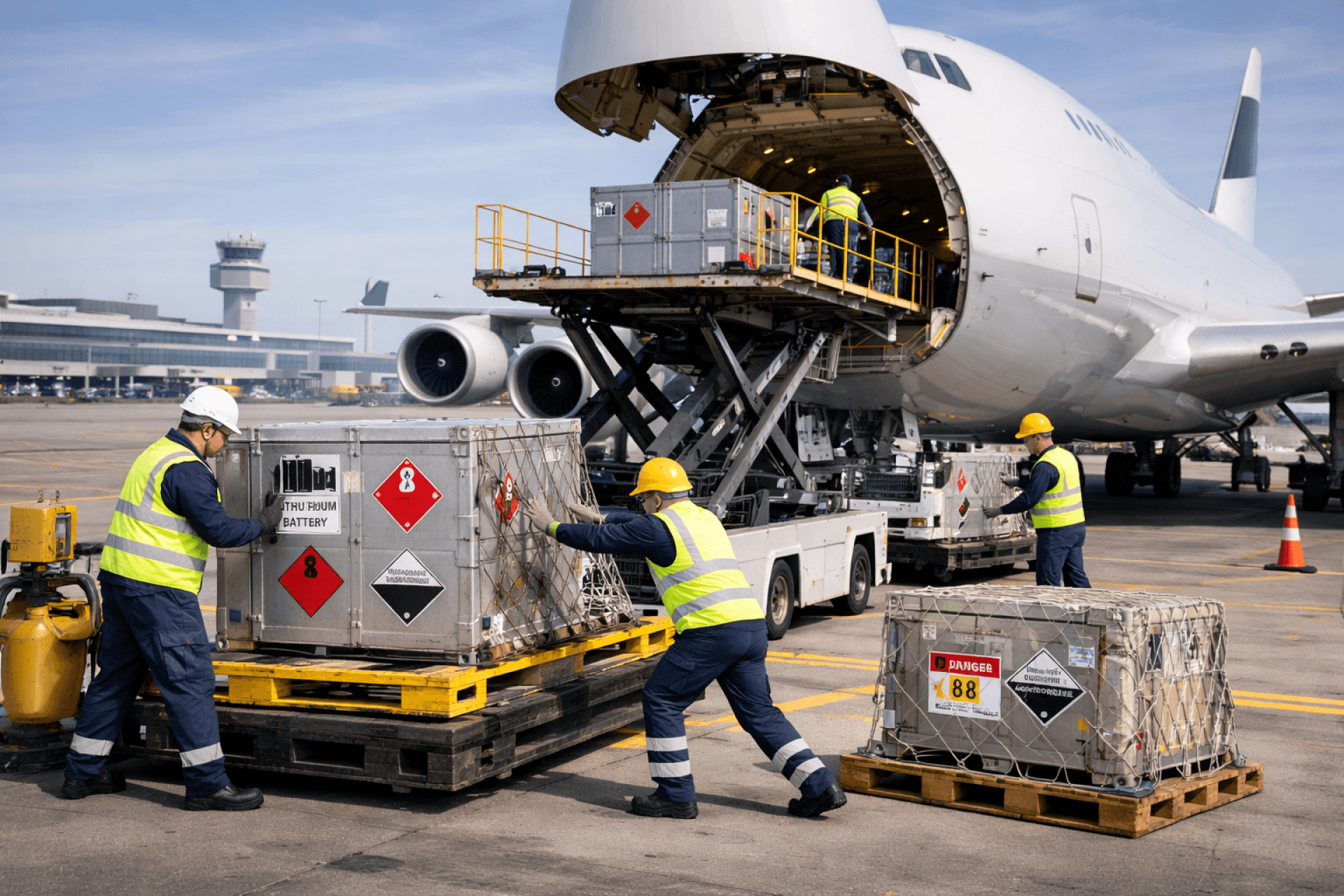
Air cargo operations have also been affected, though in a different way compared to passenger aviation. While demand for cargo transport remains relatively stable, operators are dealing with higher fuel costs, rerouting challenges, and operational uncertainty. Major logistics companies have indicated that while they can partially offset these pressures through pricing adjustments, the overall environment remains volatile. Cargo aviation plays a critical role in global supply chains, and any disruption in routing or cost structure can have downstream effects on industries ranging from manufacturing to healthcare. The current situation demonstrates both the resilience and vulnerability of cargo aviation, as operators continue to function under increasingly complex conditions.

Aviation Faces a Multi-Dimensional Crisis

The ongoing Iran conflict has exposed the extent to which global aviation depends on stable geopolitical conditions. What makes this situation particularly complex is the convergence of multiple pressures occurring simultaneously: safety risks, airspace restrictions, fuel cost inflation, insurance challenges, and shifting demand patterns. Each of these factors alone would be manageable, but together they create a highly volatile environment that affects every segment of the industry. While some regions and operators may find opportunities in redirected demand, the overall impact remains disruptive. Aviation is not simply adjusting to a temporary shock; it is navigating a structural shift that may have lasting implications for how air travel is routed, priced, and managed in the future.

Frequently Asked Questions

Because the Middle East is a key transit region, disruptions in its airspace impact global flight routes, schedules, and airline operations.

They force airlines to take longer routes, increasing fuel consumption, costs, and travel time.

Yes, higher fuel costs and operational challenges are already leading to increased ticket prices and surcharges.

No, private aviation is also impacted by airspace restrictions and operational risks, despite increased demand.

Cargo operators face higher costs and routing challenges, which can affect global supply chains.