Empire Heigths, Downtown Dubai, UAE

Emerging Markets Drive the Next Phase of Private Aviation Growth

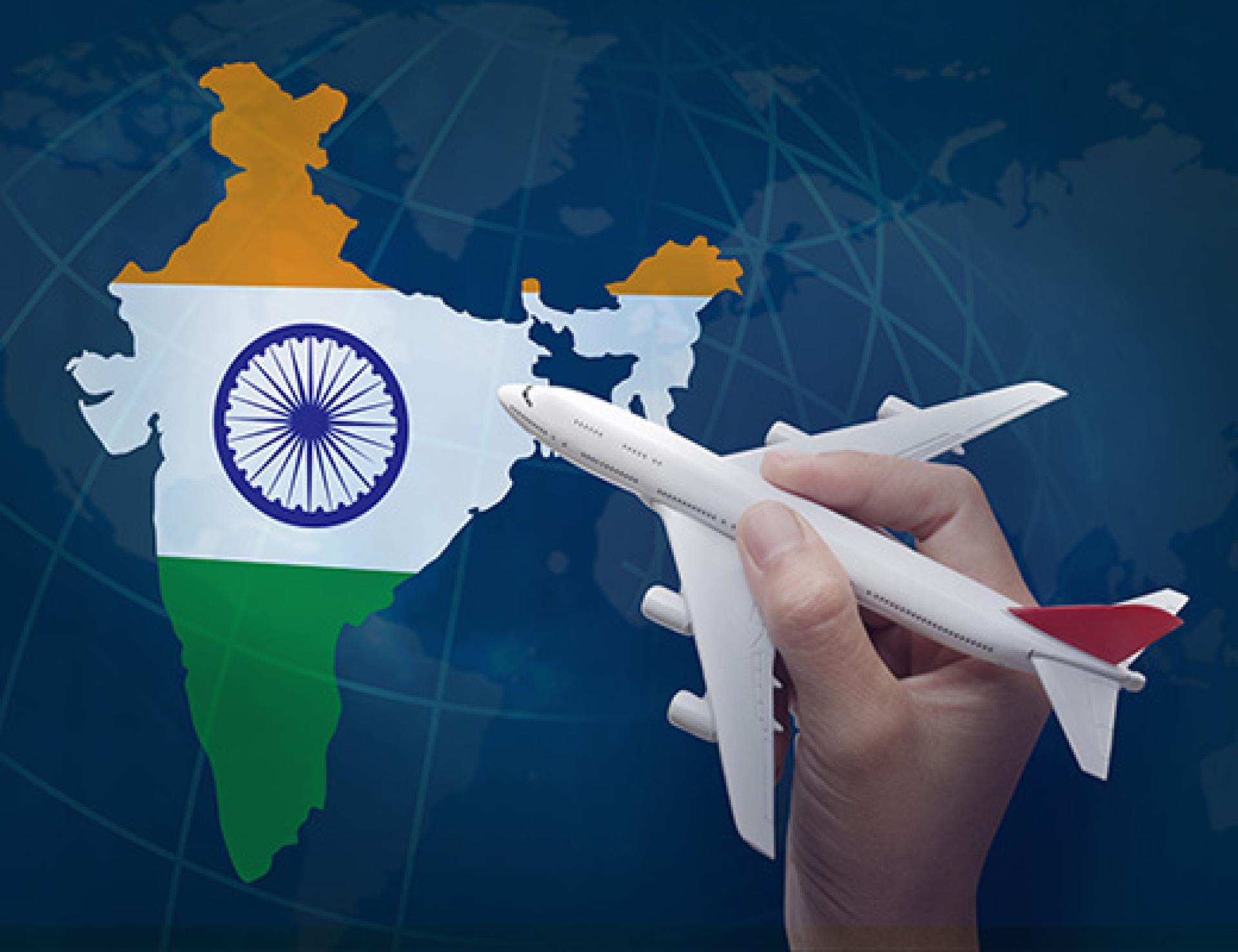
The global private aviation market is entering a new phase of expansion, with growth increasingly shifting away from traditional strongholds such as the United States and Europe toward emerging markets. Among these, India stands out as one of the most rapidly developing private aviation environments, driven by rising wealth, entrepreneurial expansion, and increased corporate demand for efficient travel solutions. Industry data and recent reporting indicate that private jet operations in India have surged significantly over the past five years, reflecting a structural shift in how business aviation is being adopted in the region. However, this growth is not occurring in a fully mature ecosystem. Instead, it is unfolding within a market where demand is accelerating faster than the infrastructure and regulatory systems designed to support it.


Private Jet Operations Surge as Demand Expands Rapidly

Private Jet Operations Surge as Demand Expands Rapidly

India’s private aviation activity has experienced a sharp increase, with industry estimates indicating that operations have grown by approximately 200% over a five-year period. This surge reflects a combination of factors, including the rise of high-net-worth individuals, increased corporate travel requirements, and a growing preference for time-efficient travel solutions. The country currently operates a relatively small private jet fleet compared to its economic scale, with around 150 aircraft in service. However, projections suggest that this number could expand significantly in the coming years, potentially exceeding 500 aircraft within the next decade if current trends continue.

This growth trajectory highlights a key characteristic of the Indian market: it is still in an early expansion phase. Unlike mature markets, where growth is incremental, India’s private aviation sector is scaling from a relatively low base, allowing for rapid percentage increases in activity. As a result, even moderate improvements in accessibility and infrastructure could unlock substantial additional demand.

Infrastructure Bottlenecks Limit Market Efficiency

Infrastructure Bottlenecks Limit Market Efficiency

Despite strong demand growth, infrastructure remains one of the most significant constraints on India’s private aviation sector. While the country has a large number of airports, only a limited portion of them are fully equipped to support consistent private aviation operations. Issues such as restricted slot availability, limited parking capacity, and insufficient ground handling infrastructure create operational challenges for both operators and clients.

In practice, this means that the theoretical capacity of the country’s aviation network is not fully usable for business aviation. Even as demand increases, the ability to scale operations is restricted by physical limitations at key airports. This imbalance between demand and infrastructure leads to inefficiencies, including delays, increased operational costs, and reduced flexibility for private jet users. The situation underscores the need for targeted infrastructure development that aligns with the growth of the private aviation sector rather than focusing solely on commercial airline expansion.

Regulatory and Tax Barriers Add Friction to Growth

Regulatory and Tax Barriers Add Friction to Growth

In addition to infrastructure challenges, regulatory complexity and taxation policies continue to create friction within the Indian private aviation market. Industry stakeholders have repeatedly highlighted the need for reforms to simplify operational procedures and reduce the financial burden associated with aircraft ownership and charter operations. Complex approval processes, varying state-level regulations, and taxation structures can increase both the cost and time required to operate within the country.

These factors collectively limit the efficiency of the market, even as demand continues to grow. For international operators and investors, regulatory uncertainty can act as a barrier to entry, while for domestic users, it increases the cost of accessing private aviation services. As a result, the full potential of the market is not yet being realized, with growth constrained not by lack of demand but by systemic inefficiencies.

Government Expansion Plans Reflect Recognition of Demand Pressure

Government Expansion Plans Reflect Recognition of Demand Pressure

The rapid growth of India’s aviation sector has not gone unnoticed at the policy level. Government initiatives aimed at expanding airport infrastructure and improving regional connectivity indicate an awareness of the increasing pressure on the system. Plans to significantly increase the number of operational airports over the coming decades reflect a long-term strategy to accommodate rising air traffic demand, including private aviation.

However, infrastructure expansion is a long-term process, and the current pace of demand growth suggests that short- to medium-term constraints will persist. This creates a transitional period where the market continues to grow, but operational challenges remain a defining characteristic of the environment. The effectiveness of future policy implementation will play a critical role in determining how quickly the private aviation sector can reach its full potential.

India as a Signal of a Broader Global Shift

India as a Signal of a Broader Global Shift

India’s private aviation expansion is not an isolated case but part of a broader global trend. Growth patterns across Asia and the Middle East indicate that emerging markets are becoming increasingly important drivers of demand in the aviation sector. Rising wealth, expanding business activity, and changing travel expectations are all contributing to increased adoption of private aviation solutions in these regions.

This shift represents a rebalancing of the global aviation landscape, where growth is no longer concentrated solely in established markets. Instead, new demand centers are emerging, creating opportunities for operators, manufacturers, and service providers who are positioned to serve these regions effectively. India, in particular, stands out due to its combination of scale, economic growth, and relatively underdeveloped private aviation infrastructure, making it one of the most strategically important markets for future expansion.

A High-Growth Market Defined by Constraints

India’s private aviation sector presents a clear example of a high-growth market constrained by structural limitations. Demand is expanding rapidly, driven by economic growth and increasing adoption of business aviation, yet infrastructure and regulatory systems are struggling to keep pace. This creates a unique environment where opportunity and limitation coexist, shaping how the market evolves over time.

For operators and investors, the key takeaway is that growth alone is not sufficient to guarantee success. Navigating infrastructure limitations, regulatory complexity, and operational challenges will be critical to capturing value in this market. As these constraints are gradually addressed, India has the potential to become one of the most significant private aviation markets globally, reinforcing the broader shift toward emerging regions as the next major growth drivers in the industry.

Frequently Asked Questions

Private aviation growth in India is driven by rising wealth, increased corporate travel demand, and the need for time-efficient transportation solutions.

Private jet activity in India has increased significantly, with industry estimates indicating growth of around 200% over the past five years.

India private aviation challenges include infrastructure bottlenecks, limited airport capacity, and complex regulatory and taxation systems.

India is becoming one of the most important emerging markets due to its economic growth, expanding wealth base, and increasing aviation demand.

Infrastructure improvements can significantly support growth, but development timelines mean constraints are likely to remain in the near term.