Empire Heigths, Downtown Dubai, UAE

Connectivity Is Redefining the Role of Private Aviation

Private aviation is undergoing a structural shift that goes beyond aircraft performance or cabin design. Increasingly, business jets are being repositioned not simply as a means of transport, but as fully functional work environments. This transformation is being driven by rapid advancements in in-flight connectivity, particularly the adoption of high-speed satellite internet solutions such as Starlink. According to industry reporting from sources including AIN and NBAA, connectivity is no longer viewed as a luxury add-on but as a critical component of the onboard experience. Passengers now expect the ability to conduct video calls, access cloud systems, and remain fully operational throughout the flight. As a result, the value proposition of private jets is evolving from comfort and exclusivity toward productivity, time efficiency, and uninterrupted control over business operations.
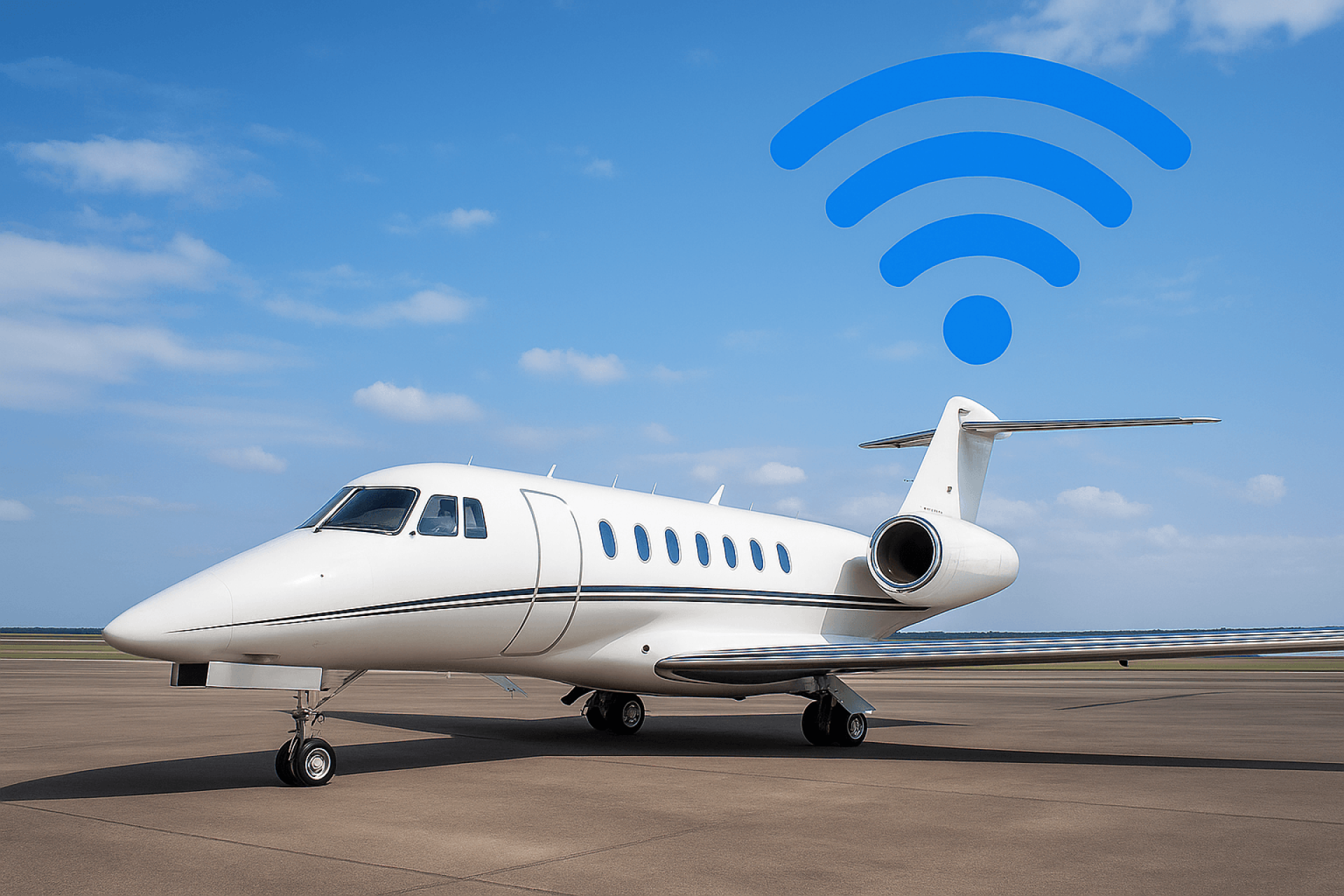
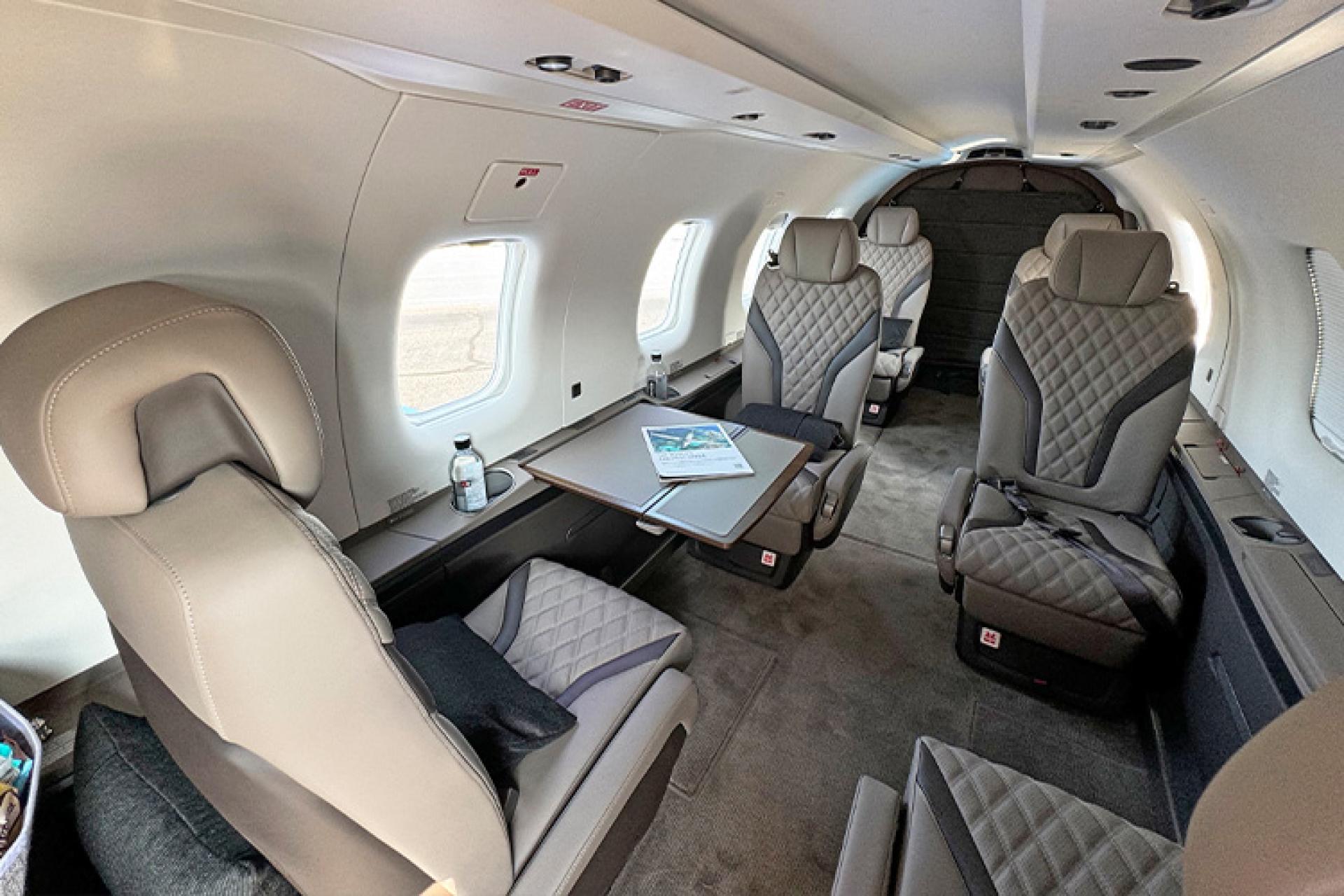
Starlink Adoption Expands Rapidly Across Business Jet Fleets

Starlink Adoption Expands Rapidly Across Business Jet Fleets

The acceleration of Starlink adoption in business aviation is one of the most significant developments shaping this transition. According to SpaceX and multiple aviation industry reports, demand for high-speed, low-latency connectivity has surged, with hundreds of Starlink systems already deployed across the global business jet fleet. Major operators and manufacturers have moved quickly to integrate the technology, with Gulfstream surpassing 100 Starlink installations within a year of certification and Embraer expanding retrofit programs across its Praetor and Phenom series. Charter operators such as Flexjet have also committed to equipping entire segments of their fleets with Starlink, signaling a clear shift toward standardizing high-performance connectivity. Industry forecasts suggest that thousands of private jets could be equipped with Starlink within the next decade, reinforcing the idea that connectivity is becoming a core feature rather than a differentiator.

Client Expectations Shift from Connectivity to Productivity

Client Expectations Shift from Connectivity to Productivity

Alongside technological adoption, client expectations are changing at a rapid pace. Industry commentary suggests that demand for high-speed onboard internet has increased sharply in recent years, with some operators reporting a significant rise in clients specifically requesting aircraft equipped with advanced connectivity systems. While exact figures vary across sources, the underlying trend is clear: connectivity is no longer about staying entertained during a flight, but about maintaining full operational capability. Executives, investors, and business leaders increasingly view flight time as an extension of their working day, requiring reliable access to communication tools, cloud platforms, and real-time collaboration systems. This shift fundamentally changes how aircraft are used, transforming them into environments where critical decisions can be made without interruption rather than spaces where productivity is paused.

From Luxury Feature to Operational Requirement

From Luxury Feature to Operational Requirement

The role of in-flight connectivity has evolved from a premium cabin feature into an operational necessity. Aviation organizations such as NBAA have emphasized that connectivity now enables aircraft to function as “offices in the sky,” supporting continuous workflow for passengers and crew alike. High-bandwidth systems allow multiple users onboard to engage in data-intensive activities simultaneously, including video conferencing and secure business operations. This capability also enhances operational efficiency beyond the cabin, improving communication between flight crews, dispatch teams, and ground support. As a result, connectivity is no longer positioned as part of the luxury experience, but as a fundamental component of how modern business aviation delivers value to its users.

Impact on Aircraft Value and Charter Demand

Impact on Aircraft Value and Charter Demand

The integration of advanced connectivity systems is also influencing aircraft valuation and charter market dynamics. According to industry operators, aircraft equipped with high-speed internet solutions such as Starlink are becoming more attractive to both buyers and charter clients. Enhanced connectivity not only improves the passenger experience but also increases the commercial appeal of the aircraft, particularly in competitive charter markets where client expectations are rising. In some cases, connectivity upgrades are being viewed as a value-enhancing investment, contributing to stronger resale positioning and improved utilization rates. This shift highlights how technology adoption is directly affecting both operational performance and asset value within the aviation market.

The Broader Market Shift Toward Time Efficiency and Control

The Broader Market Shift Toward Time Efficiency and Control

The rise of “flying offices” reflects a broader shift in how private aviation is positioned within the market. Traditionally, private jets were marketed primarily around luxury, comfort, and exclusivity. While these elements remain important, they are no longer sufficient as the core value proposition. Today, the emphasis is increasingly on time efficiency, flexibility, and the ability to remain fully productive while traveling. In an environment where executive time is highly valuable, the ability to convert travel hours into productive working time represents a significant advantage. This repositioning aligns private aviation more closely with strategic business tools rather than lifestyle products, reshaping how operators, brokers, and manufacturers communicate their offerings.

A Structural Shift, Not a Temporary Trend

The transformation of private jets into productive work environments is not a temporary trend driven by a single technology, but a structural shift supported by multiple factors, including connectivity advancements, evolving client expectations, and competitive market dynamics. As more aircraft are equipped with high-performance internet systems and as demand for continuous productivity increases, this new standard is likely to become permanent. For aviation companies, this shift requires a reassessment of how services are positioned and marketed. The focus is no longer solely on delivering a premium experience, but on enabling seamless, uninterrupted business operations at altitude. In this context, the concept of the “flying office” is not just a marketing narrative, but a reflection of how private aviation is being fundamentally redefined.

Frequently Asked Questions

It refers to a business jet equipped with high-speed connectivity that allows passengers to work, communicate, and operate as if they were in a traditional office.

Starlink provides high-speed, low-latency internet, enabling real-time communication, video conferencing, and cloud access during flights.

Yes, connectivity is increasingly considered a must-have rather than a luxury feature.

Yes, aircraft with advanced connectivity systems are more attractive in both resale and charter markets.

Both, but there is a clear shift toward using jets as productive environments rather than just transport.