Empire Heigths, Downtown Dubai, UAE

Long-Haul Private Jets Are Designed Around How You Use Time

Long-haul private jets are not simply about transporting passengers from one continent to another. They are designed around a more strategic objective: how time in the air is used. Unlike commercial travel, where flight time is largely passive, large-cabin private jets are built to support multiple functions simultaneously, including work, rest, dining, and personal time. Aircraft such as the Bombardier Global 7500 and Gulfstream G700 are engineered with separate living zones, allowing passengers to transition between activities throughout the flight. This transforms long-haul journeys into productive, comfortable, and controlled environments rather than periods of downtime. The key difference is not what you can do onboard, but how effectively you can use 10–15 hours of travel.
Work and Productivity at 40,000 Feet

Work and Productivity at 40,000 Feet

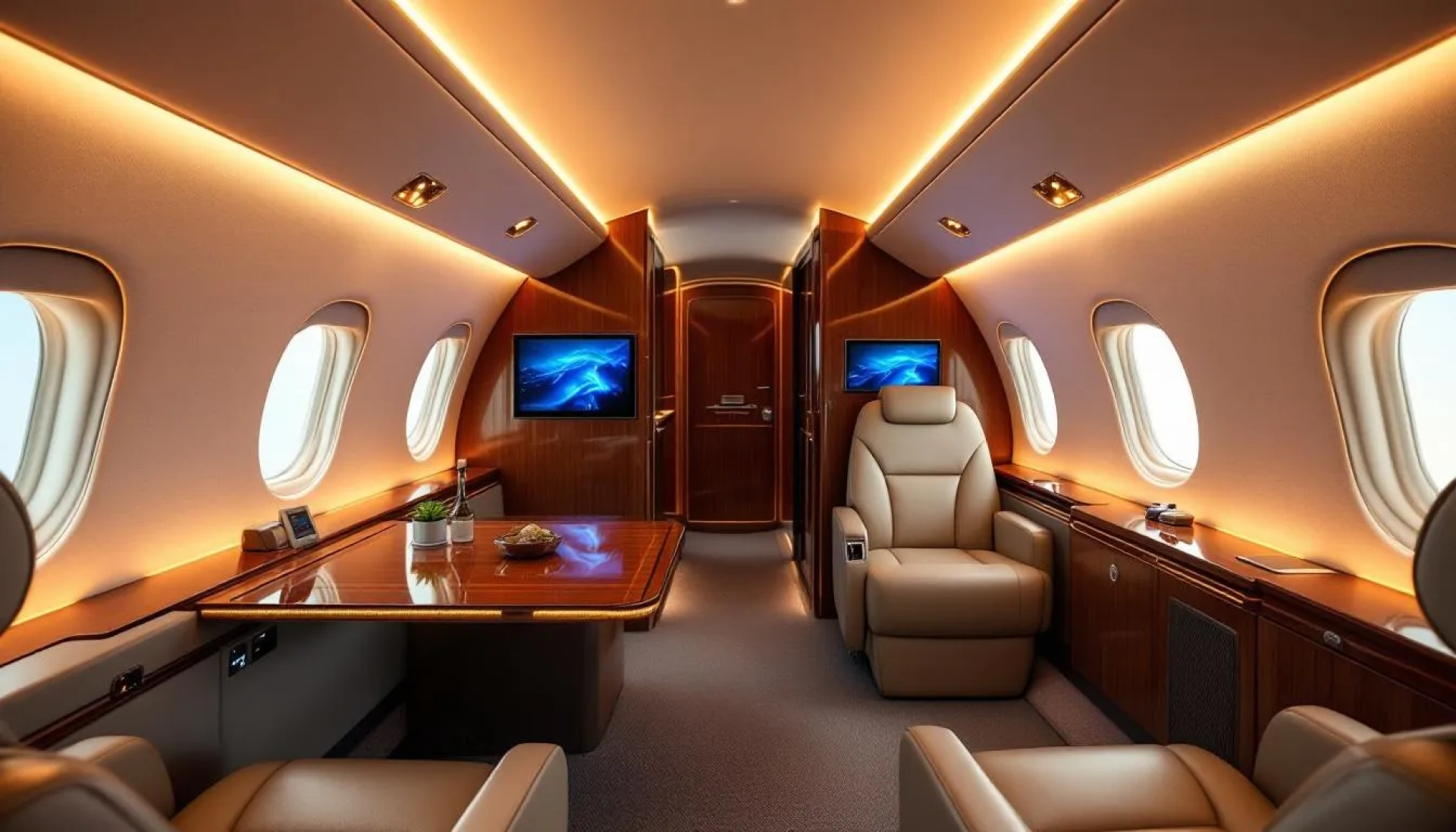
One of the primary uses of long-haul private jets is productivity. Cabins are often equipped with conference tables, secure connectivity, and quiet environments that allow uninterrupted work. Executives can hold meetings, review documents, and conduct negotiations in complete privacy. Unlike commercial flights, there are no external disruptions, making it possible to treat the aircraft as a fully functional workspace. This is particularly valuable for high-level discussions where confidentiality matters. The ability to remain operational throughout the journey turns travel time into usable business time, which is one of the most important advantages of private aviation.

Sleep and Recovery Become a Core Function of the Flight

Sleep and Recovery Become a Core Function of the Flight

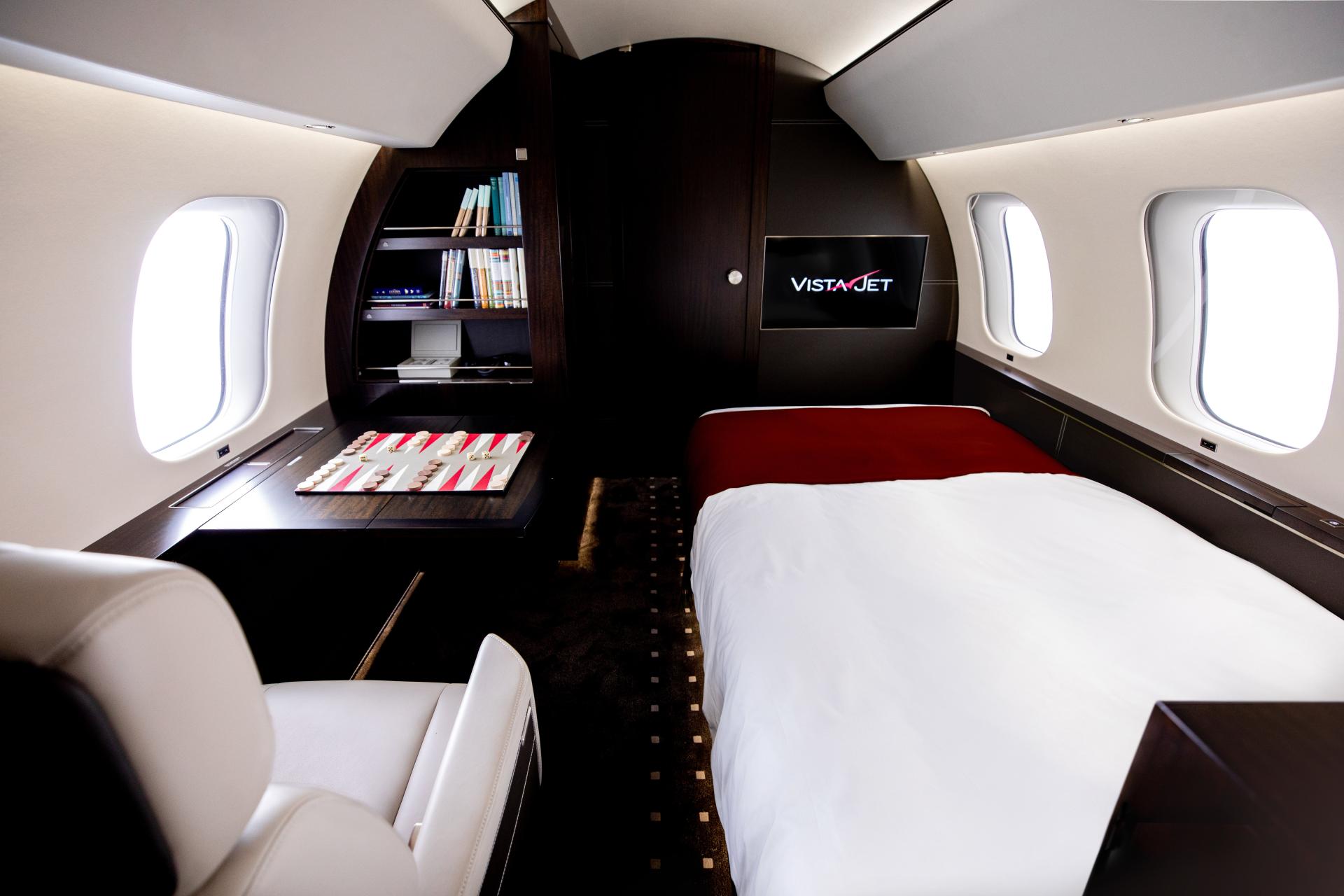
On long-haul routes, sleep is not optional—it is essential. Modern business jets are specifically designed to support proper rest, with features such as fully flat beds, dedicated sleeping areas, and low cabin altitude to reduce fatigue. Aircraft cabins are also quieter and maintain higher air quality compared to commercial aircraft, helping passengers arrive more refreshed. Some operators like have even introduced structured sleep programs that focus on circadian rhythm, lighting, and nutrition to optimize recovery. This means passengers can arrive at their destination ready for meetings or events rather than dealing with jet lag and exhaustion.

Dining Becomes a Personalized Experience, Not a Service

Dining Becomes a Personalized Experience, Not a Service

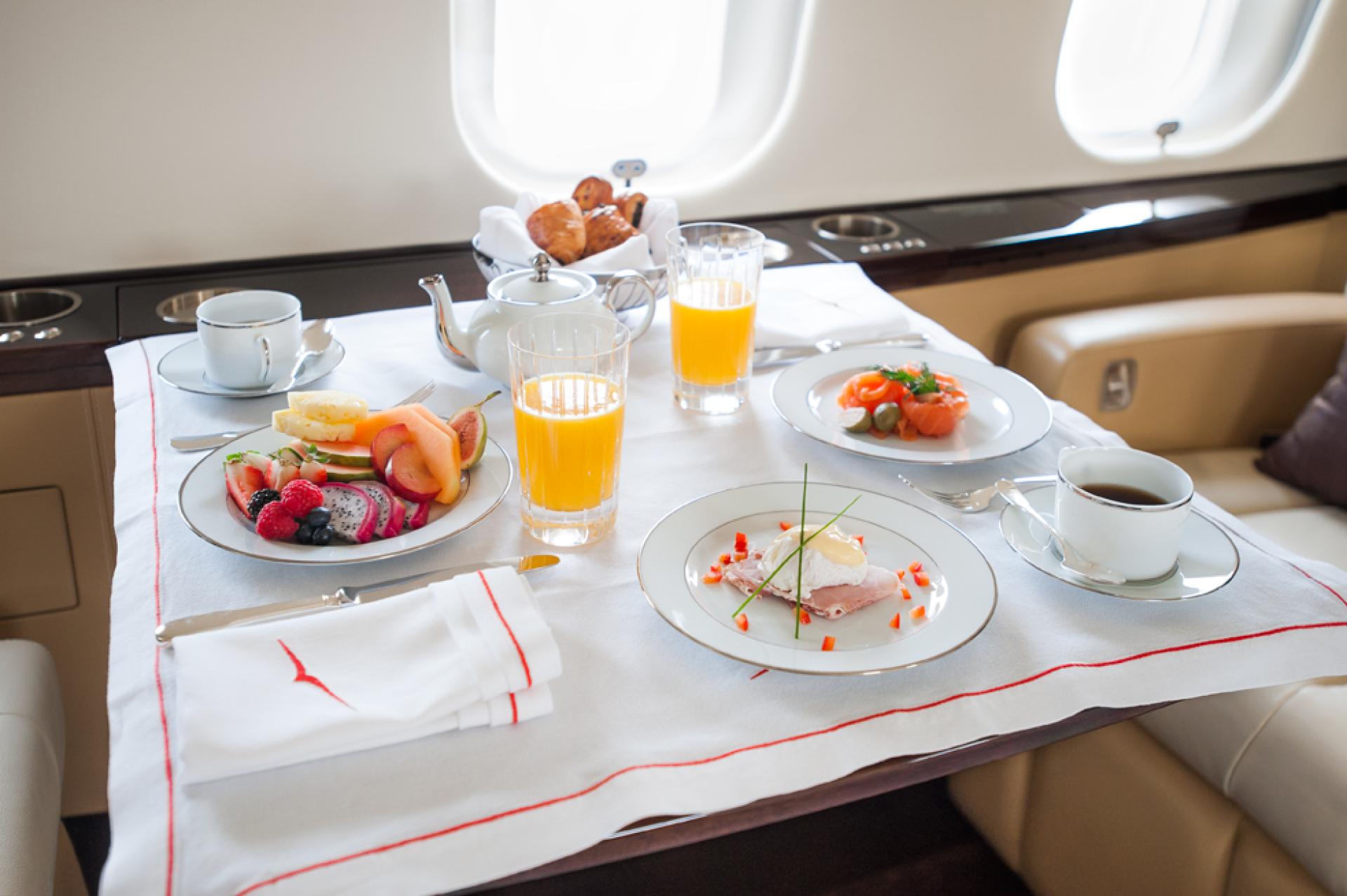
Dining onboard a long-haul private jet is fundamentally different from airline catering. Meals are tailored to passenger preferences, timing, and dietary requirements, often sourced from high-end restaurants or prepared by private chefs. Aircraft like the Bombardier Global 8000 are designed with dedicated dining areas that allow passengers to enjoy full meals comfortably. This creates the possibility of hosting business lunches, formal dinners, or simply maintaining a preferred routine while traveling. The experience is less about eating during a flight and more about integrating dining into the overall journey.

Meetings, Conversations, and Private Interaction

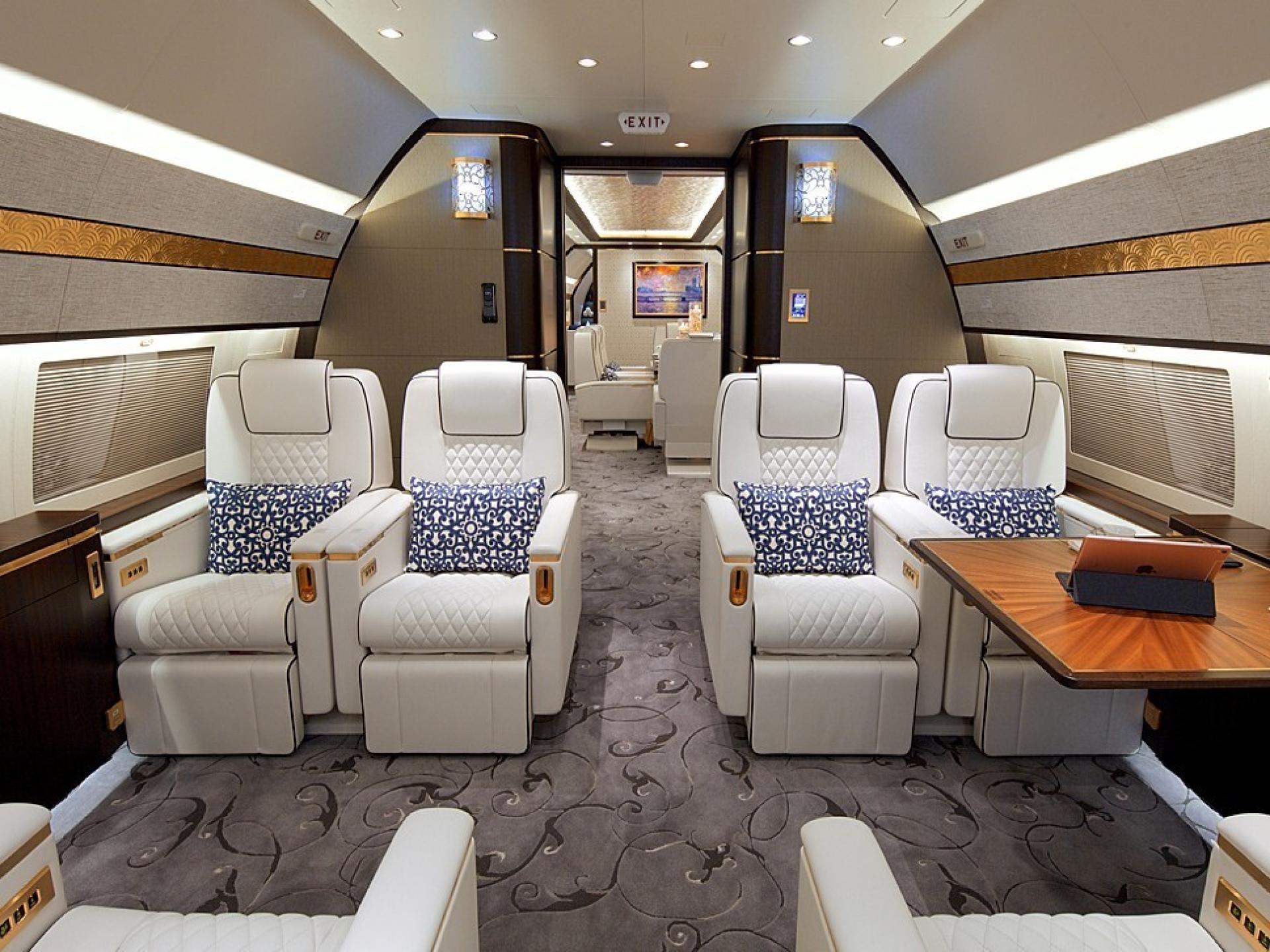
Long-haul private jets are structured to facilitate interaction, not just individual comfort. Cabin layouts often include face-to-face seating and conference-style arrangements that support group discussions. This makes it possible to hold meetings, align teams, or negotiate deals while in transit. The privacy of the environment allows for open conversation without external interference, which is not possible in commercial settings. For many passengers, this is one of the most valuable aspects of private aviation, as it allows critical decisions to be made before arrival rather than delayed until after landing.

Personal Time, Wellness, and Lifestyle Onboard

Personal Time, Wellness, and Lifestyle Onboard

Beyond work and meetings, long-haul private jets provide space for personal time and relaxation. Passengers can read, watch content, spend time with family, or simply disconnect in a quiet environment. Large-cabin aircraft often include multiple living areas, allowing separation between work and leisure zones. Some configurations even feature private suites or showers, enhancing comfort during extended flights. This flexibility allows passengers to use the journey in a way that aligns with their personal needs, whether that means productivity, recovery, or complete disengagement.

It’s Not About Activities — It’s About Control of Time

The question is not simply what you can do on a long-haul private jet, but how effectively you can use your time. These aircraft are designed to eliminate the limitations of traditional travel, replacing passive hours with productive, restful, or meaningful experiences. Whether it is conducting business, recovering physically, or maintaining a preferred lifestyle, the value lies in control. Long-haul private aviation transforms travel from a necessary interruption into an integrated part of a person’s schedule, where time is not lost but optimized.

Frequently Asked Questions

Long-haul private jet activities include working, sleeping, dining, holding meetings, and spending private time in a controlled and comfortable environment.

Private jet sleep quality is high due to flat beds, quiet cabins, and low cabin altitude designed to reduce fatigue and jet lag.

Private jet work environments allow meetings, calls, and document review in a private and distraction-free setting.

Private jet dining is fully customizable, with meals tailored to passenger preferences and sourced from high-end catering providers.

Long-haul private jets are specifically designed for extended travel, offering multiple cabin zones for work, rest, and relaxation.