Empire Heigths, Downtown Dubai, UAE
A Realistic View of Private Jet Ownership

A Realistic View of Private Jet Ownership

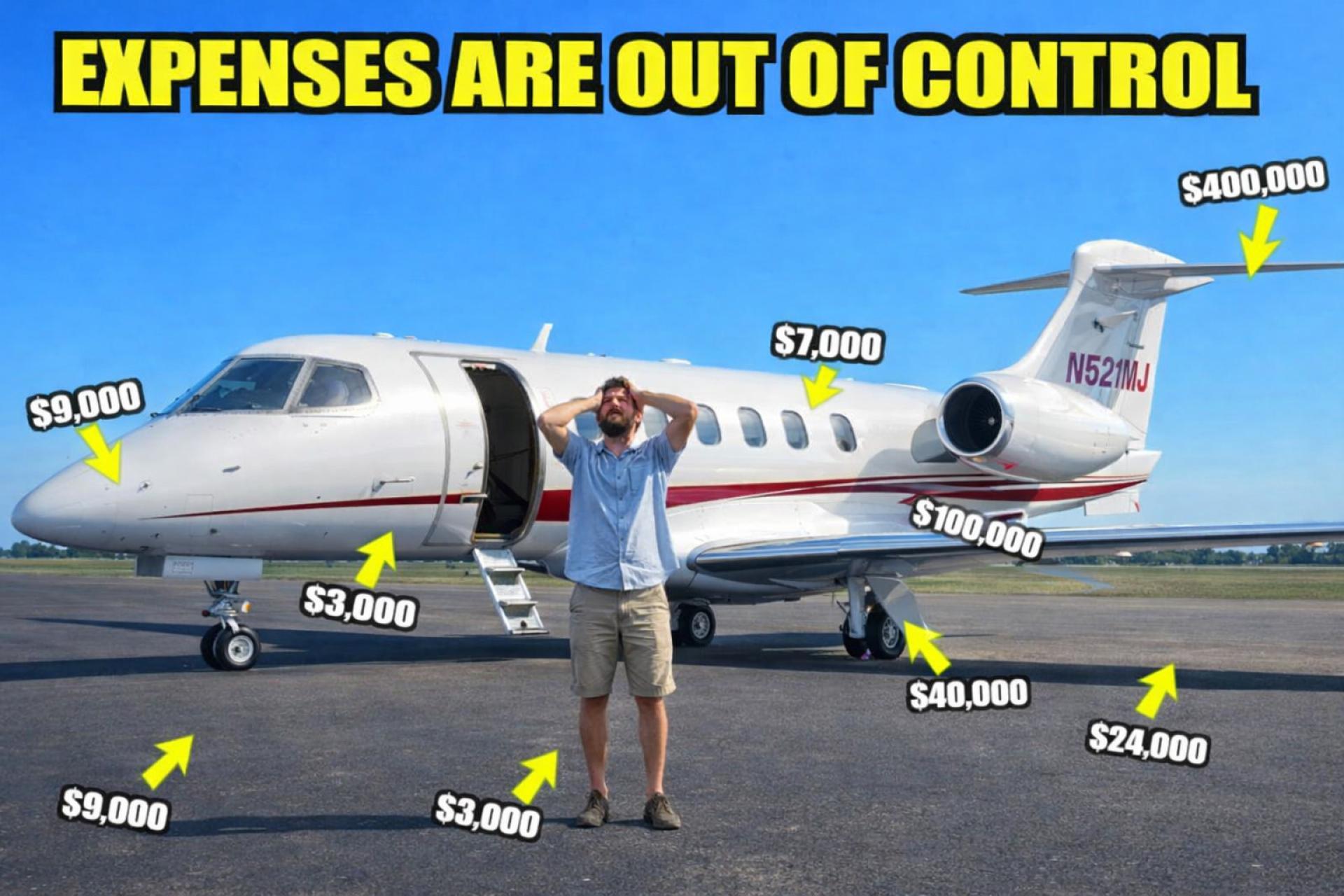
Owning a private jet is often associated with luxury, but in practice it represents a structured financial commitment that extends far beyond the initial purchase. The acquisition cost is only the starting point. The real expense lies in operating, maintaining, and managing the aircraft over time. For both individuals and companies, understanding this full cost structure is essential before making a decision, as ownership involves continuous financial obligations regardless of how frequently the aircraft is used.
Purchase Price and Cost Structure

Purchase Price and Cost Structure

Private jet prices vary significantly depending on aircraft size, range, and age. Smaller jets may cost a few million dollars, while large, long-range aircraft can exceed $70 million. However, ownership costs are divided into two key components: fixed costs and variable costs. While the purchase price is a one-time investment, the ongoing costs continue throughout the life of the aircraft and often exceed the initial acquisition over time, especially for frequently used jets.

Fixed and Variable Operating Costs

Fixed and Variable Operating Costs

Fixed costs are expenses that must be paid regardless of flight activity. These include crew salaries, insurance, hangar space, and maintenance programs required to keep the aircraft airworthy and compliant. Even if the aircraft is not used, these costs remain constant and can range from approximately $500,000 to over $2 million annually depending on the aircraft category.

Variable costs, on the other hand, depend on how often the aircraft is flown. These include fuel, maintenance linked to flight hours, airport fees, and onboard services. Operating costs per hour can range from around $1,500 for smaller jets to over $10,000 for larger aircraft. As flight hours increase, these costs grow proportionally, making usage a key factor in total ownership cost.

Total Annual Cost and Hidden Expenses

Total Annual Cost and Hidden Expenses

When combining fixed and variable costs, total annual ownership expenses typically range from under $1 million for light jets to more than $5–7 million for heavy jets. However, many first-time buyers underestimate additional financial factors. Depreciation plays a major role, as aircraft value decreases over time depending on market demand and age. Major maintenance events, crew training, regulatory compliance, and financing costs can also significantly increase long-term expenses. These hidden costs are often what separate realistic ownership planning from overly optimistic expectations.

Ownership vs Charter: Which Makes More Sense

Ownership vs Charter: Which Makes More Sense

The decision to own a private jet depends largely on how frequently it will be used. Ownership is generally more practical when flight hours are high, typically above 200 hours per year, or when immediate availability is essential. However, for many individuals and companies, chartering offers a more efficient alternative. Charter provides access to private aviation without the burden of fixed costs, allowing clients to pay only when they fly. As a result, many users choose charter over ownership unless their travel demand clearly justifies the investment.

Final Perspective and Practical Consideration

Owning a private jet is not simply about purchasing an asset, but about committing to a long-term operational structure. While it offers maximum flexibility, control, and availability, it also requires careful financial planning and a clear understanding of ongoing costs. For many, the decision ultimately comes down to balancing convenience against financial efficiency. Those who value flexibility without long-term commitment often find charter solutions more aligned with their needs.

Frequently Asked Questions

It typically ranges from $700,000 to over $7 million depending on aircraft type and usage.

Major costs include crew salaries, fuel, maintenance, and depreciation.

Ownership is usually considered practical when flying more than 200 hours per year.

For most users with moderate travel needs, chartering is more cost-efficient and flexible.